.png)
Bud Rot: Croptober's Worst Nightmare
3 hours ago
4 min read
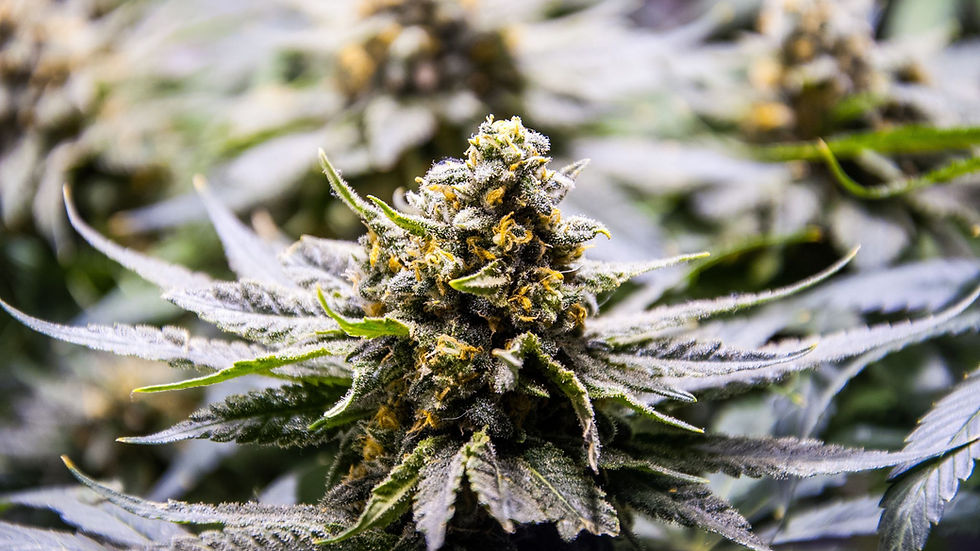
There are few things more heartbreaking in cannabis cultivation than watching a gorgeous plant make it all the way to October only to discover that something is quietly destroying the buds from the inside out.
I learned about bud rot the unpleasant way. The first time someone showed me an infected cola, I honestly didn't see what they were talking about. From the outside, most of it still looked like perfectly good flower. Then they gently pulled one of the little sugar leaves sticking out of the bud. It practically fell off. We opened the flower and there it was: brown, dead plant material surrounded by fuzzy gray growth.
My immediate reaction was probably the same one a lot of people would have.
“Can't you just cut that part out?”
The answer was a very firm no.
Welcome to one of Croptober's biggest nightmares.
Bud rot is commonly associated with Botrytis cinerea, a fungus responsible for what growers also call gray mold. It isn't unique to cannabis. Botrytis attacks hundreds of plant species, including grapes, strawberries and other agricultural crops. Cannabis simply gives it something particularly attractive late in the growing season: thick, tightly packed flowers capable of trapping moisture deep inside them.
That's why October can become such a cruel month for outdoor growers. Those big, dense buds everyone loves to see can turn into tiny humidity traps. Add cool nights, rain, morning dew and limited airflow through a heavy canopy, and conditions can become increasingly favorable for fungal disease.
The frustrating part is that bud rot doesn't always announce itself dramatically.
One early warning can be a small leaf emerging from a flower that suddenly turns yellow or brown while the surrounding plant still looks healthy. A grower may gently pull at it and discover that it releases unusually easily. Look deeper inside the flower and the healthy green tissue may have become tan or brown, soft or dry depending on how far the infection has progressed. Eventually, gray or whitish fuzzy fungal growth and masses of spores can become visible.
By the time the outside of a large bud looks obviously rotten, there may already be considerable damage inside.
Bud Rot Isn't Powdery Mildew
Another common fall problem is powdery mildew, and the two sometimes get lumped together simply as “mold.”
They aren't the same disease.
Powdery mildew tends to show itself more openly as white, powder-like patches on leaves, stems and eventually flower material. Unlike Botrytis, which thrives particularly well with moisture and can bury itself inside a dense flower, powdery mildew does not necessarily require standing water on a leaf to infect the plant. High humidity and poor airflow can still help create favorable conditions.
Either way, white or gray fuzzy material on your cannabis isn't some bonus layer of trichomes.
I've seen pictures online where somebody asks, “Is this mold or is my weed just really frosty?” If your “trichomes” resemble flour dusted across a leaf, cobwebs hiding inside the flower or gray fuzz growing from brown plant tissue, that is not the kind of frost you want.
Healthy trichomes look like tiny resin glands under magnification. Mold grows in irregular patches, webs, fuzz or powdery colonies.
And when in doubt, don't smoke it.
Why You Can't Just Cut Around It
This is probably the most important part for consumers.
Cannabis isn't a block of cheddar where you can necessarily slice away something questionable and assume everything an inch away is fine. Fungi reproduce through microscopic spores and structures that may extend beyond the portion you can clearly see. With a dense cannabis flower, contamination can exist deeper inside the bud than the obvious rotten spot.
Smoking questionable flower doesn't somehow sanitize it, either.
Mold exposure can irritate the respiratory system, and certain molds can pose a more serious risk to people with asthma, lung conditions or weakened immune systems. Aspergillus, another mold of concern in cannabis testing, can cause serious infections in some immunocompromised people. Most healthy people encounter fungal spores regularly without developing an infection, but deliberately inhaling smoke from visibly moldy cannabis is an unnecessary gamble.
No eighth is worth proving how tough your lungs are.
Prevention Starts Long Before Harvest
For growers, fighting bud rot is largely about making the environment less inviting. Plants need adequate spacing and airflow. Dense canopies can trap humidity, especially after rain or heavy morning dew. Dead or damaged plant material should be watched carefully because Botrytis can invade weakened tissue. Sanitation matters, too, because contaminated plant debris and equipment can help spread fungal material.
Then comes the maddening part of outdoor cultivation: sometimes you've done everything correctly and the weather simply refuses to cooperate.
That's when Croptober becomes a race. Every extra day might allow the flowers to mature a little more, but every cold rainstorm might also increase the risk of losing them.
It gives you a different appreciation for that perfect jar of flower sitting on a dispensary shelf. Somewhere along the way, somebody had to keep that plant healthy through insects, heat, storms, humidity and finally the damp nights of fall.
So enjoy Croptober.
Just remember that when growers are celebrating harvest season, they're probably checking the weather app every fifteen minutes too.


.png)
.png)
Comments